Aggressive Criminal Defense Attorney: Defend Your Protections and Liberty in Court
An aggressive defense lawyer specializing in criminal cases plays an essential function in safeguarding personal liberties amid serious legal challenges. Their methods include comprehensive inquiries and careful examination of evidence, ensuring no aspect is missed. This approach not only instills confidence but also creates opportunities for effective defense. Comprehending the nuances of this procedure can be significant for individuals confronting the possibility of severe consequences. What strategies do these lawyers utilize to navigate complex legal landscapes?
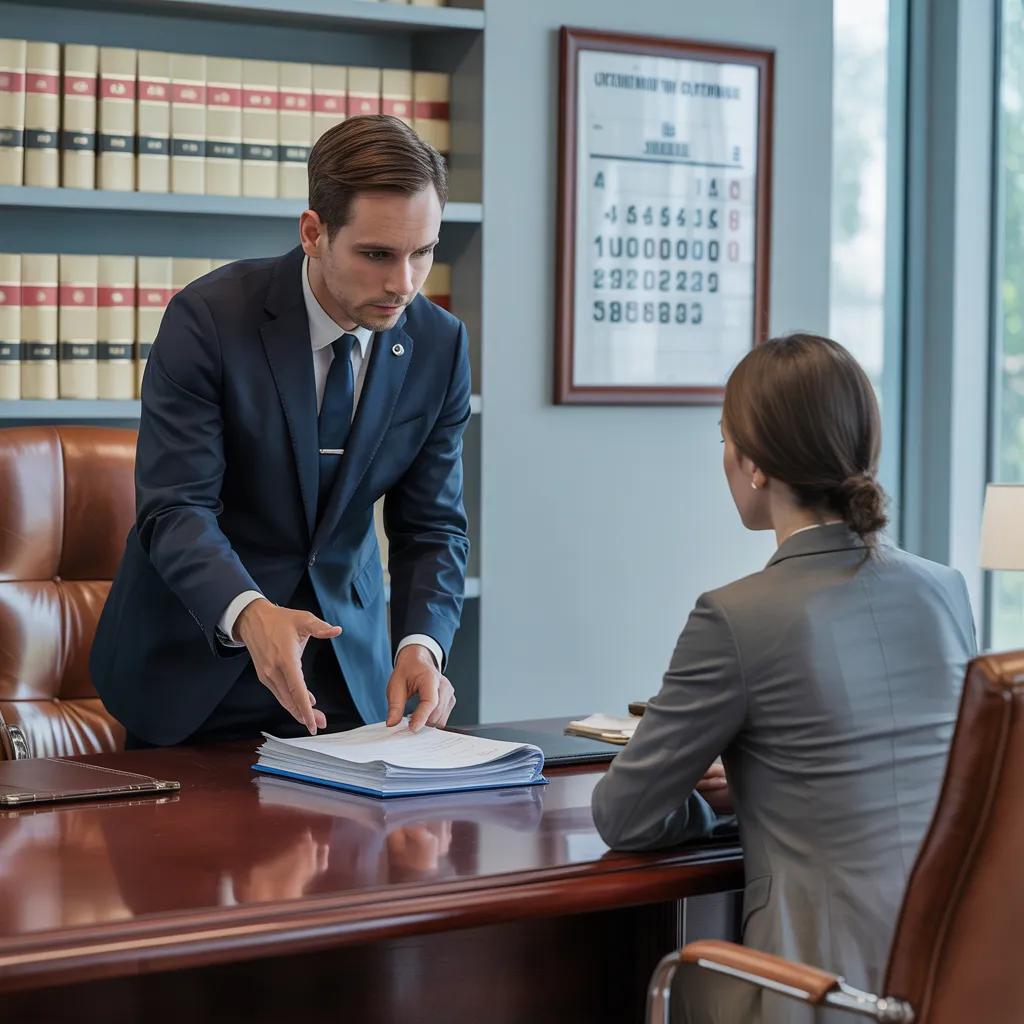
Why You Require an Vigorous Criminal Defense Lawyer
Why is it crucial to have an forceful criminal defense attorney by your side? In the complex landscape of criminal legal matters, the stakes are often substantial, and the repercussions of a conviction can be transformative. An aggressive legal representative not only understands the intricacies of court processes but also actively seeks to protect their client's rights and freedom. They investigate the particulars of each case meticulously, scrutinizing evidence and challenging witness credibility. This proactive approach can uncover weaknesses in the prosecution's case, possibly leading to lesser offenses or even acquittal. Additionally, a experienced attorney advocates passionately during negotiations, ensuring that their client's interests are emphasized. In a system where the prosecution often holds significant means, having an forceful advocate can level the playing field. Ultimately, the presence of such an attorney can offer vital support, instilling assurance and understanding during a difficult legal journey.
Critical Tactics for Aggressive Criminal Legal Defense
Legal defense that is aggressive is built on a synthesis of strategic tactics that can dramatically change the output of a case. One fundamental tactic is meticulous case analysis, which involves reviewing evidence, witness statements, and police procedures to identify weaknesses in the plaintiff's case. This helps in crafting a robust defense strategy.
Furthermore, a forceful attorney may utilize motions to suppress evidence gathered illegally, thus contesting the admissibility of vital information. An additional strategy involves skilled jury selection, guaranteeing that jury members are impartial and favorable to the defensive case.
Also, capitalizing on expert witnesses to deliver alternative explanations or interpretations of evidence can notably support a defense. Finally, fostering solid communication with the person is critical, guaranteeing they are involved and engaged throughout the timeline. These methods collectively enhance the chances of obtaining a positive resolution in criminal matters.
Finding Your Criminal Law Defense Attorney
Determining the suitable defense representative is essential for a strong case defense. Parties should concentrate on an attorney's experience with similar cases, as this can profoundly determine outcomes. In addition, evaluating style of communication and presence guarantees that legal clients can foster a fruitful relationship throughout the court process.
Background In Comparable Cases
When facing criminal charges, the importance of an attorney’s experience in similar cases cannot be overstated. An attorney specializing in various kinds of criminal defense—such as DUI, theft, or drug offenses—provides critical knowledge into the legal landscape. Their knowledge of local court procedures and relationships with judges and prosecutors can improve the defense strategy. Additionally, seasoned attorneys are adept in spotting potential weaknesses in the prosecution’s case, which may result in beneficial results. They also grasp the details of plea bargaining and trial tactics that can strongly impact the case. In the end, choosing an attorney with relevant background can make a major impact in steering through the challenges of the criminal justice system.
Communication Style And Availability
What part does effective communication play in the selection of a criminal defense attorney? Transparent dialogue is vital in creating a strong attorney-client bond. A potential client should evaluate how well the attorney communicates legal concepts and listens to concerns. An attorney's ability to explain complex legal language in comprehensible terms can greatly affect a client's assurance and comfort level.
Additionally, availability functions as an vital element; clients need to perceive that their counsel is welcoming and receptive to inquiries. Attorneys who emphasize rapid communication illustrate commitment and reliability. Finally, opting for a criminal defense attorney who demonstrates effective interaction and is readily available can lead to a more candid and fruitful defense approach, boosting the chances of achieving a favorable result.
Evidence and Its Importance in Forceful Defense Strategy
Within vigorous defense against criminal charges, evidence serves as a cornerstone in shaping results. Understanding the categories of crucial evidence, ensuring correct evidence handling procedures, and employing effective cross-examination strategies are essential components of strong defense. Each component contributes greatly to contesting the state's argument and protecting the defendant's rights.
Varieties of Significant Evidence
Although the effectiveness of an aggressive criminal defense often depends on the quality of the evidence presented, various types of important evidence play different roles in shaping the outcome of a case. Testimonial evidence, such as witness statements, can support the defendant's version of events view information about or provide alternative narratives. Physical evidence, including weapons or DNA, serves to establish connections to the crime scene or the accused. Documentary evidence, like contracts or emails, can disclose motives or intentions. Expert testimony can clarify complex issues, providing insights that strengthen the defense. Finally, circumstantial evidence may suggest involvement, but its interpretation can vary, making it a double-edged sword. Each type of evidence is vital in constructing a robust defense strategy.
Significance of Chain Maintenance
Ensuring the accuracy of evidence is paramount in aggressive criminal defense, with chain preservation playing a significant role in maintaining the trustworthiness of that evidence. Proper chain of custody ensures that evidence remains untampered and reliable, which is important when challenging claims made by the prosecution. Every transfer of evidence must be carefully documented, including who handled it and when. This documentation not only protects the evidence but also strengthens the defense’s position in court. Any break in the chain can lead to questions about the evidence's authenticity, potentially undermining the defense's case. Consequently, maintaining effective chain preservation is critical, as it directly affects the outcome of legal proceedings and the protection of a defendant's rights.
Cross-Examination Techniques Outlined
In what ways can cross-questioning alter the environment of a criminal trial? Competent cross-examination operates as a crucial tool for forceful criminal defense counselors. By skillfully interrogating witnesses, attorneys can expose inconsistencies, biases, or weaknesses in their testimonies. This strategy not only damages the prosecution's case but also highlights the defense's narrative.
Additionally, a strategically crafted questioning process can establish justified uncertainty, which is important in criminal matters. Attorneys regularly utilize evidence deliberately, connecting questions with verified evidence to reinforce their claims. This orderly process guarantees that the jury thoroughly examines the trustworthiness of witnesses. In the end, powerful witness examination can substantially change the conclusion of a trial, protecting a defendant's rights and liberty.
Comprehending Plea Bargains in Defense Against Criminal Charges
While working through the nuances of criminal defense, understanding plea deals becomes vital for defendants and their attorneys. A plea deal, sometimes called a negotiated agreement, is an agreement between the defendant and prosecution whereby the defendant consents to plead guilty to a lesser offense or accept a reduced sentence in exchange for certain terms. This legal strategy can accelerate court proceedings, lessen uncertainty, and potentially lead to more beneficial outcomes.
Defendants must thoughtfully weigh the implications of accepting a negotiated settlement, as it often involves surrendering certain legal claims, notably the right to stand trial. An seasoned advocate is indispensable in examining the strengths and weaknesses of the claim, guaranteeing that the accused party takes a well-considered action. Ultimately, understanding the nuances of negotiated agreements can markedly influence the course of a criminal case and the circumstances of the defendant.
What Transpires in Your Defense Process?
Moving through the criminal defense process necessitates multiple essential stages that can substantially influence the outcome of a case. To begin, an detention results in initial court hearing, where charges are formally introduced. Subsequently, a defendant usually meets with an vigorous criminal defense attorney to strategize the most effective approach. Court motions may be lodged, questioning evidence or working to dismiss charges.
Discovery takes place, enabling both sides to examine evidence. Negotiations for plea agreements may occur, providing opportunities to lower sentences or charges. If a trial is required, jury selection happens, then comes the presentation of evidence and witness testimonies.
The defense attorney seeks to instill legitimate doubt in the prosecution's case. After concluding statements, the jury considers and produces a verdict. If declared to be guilty, punishment is assigned, where possibilities to appeal can be discussed. Each component is pivotal, emphasizing the importance of skilled legal representation in working through the intricacies of the criminal justice system.
Regularly Asked Topics
How Much Will Hiring an Aggressive Criminal Defense Attorney Typically Cost?
Hiring an aggressive criminal defense attorney typically costs between $2,500 and $25,000, based on the complexity of the case and the experience of the attorney. Factors such as location and standing also influence overall costs considerably.
What Abilities Should I Look into in a Criminal Defense Attorney?
When finding a criminal counsel, one should highlight qualifications such as relevant experience, a strong track record in similar cases, effective communication skills, and a thorough understanding of criminal statutes and courtroom rules.
Is It Feasible to Replace My Legal Representative Throughout the Legal Defense Phase?
Yes, an individual can alter their lawyer during the defense process. However, it's vital to factor in possible setbacks and guarantee that the new lawyer is competent to handle the case effectively.
What is typical Duration of a defense Case generally?
Defense cases have lengths that vary widely, often spanning from a few months to several years. Factors influencing this timeline include the case's intricacy, court schedules, and the strategies employed by the defense.
What Can I Anticipate During My Initial Consultation With an Legal Professional?
At the initial consultation, individuals can anticipate a dialogue of their case details, a presentation of potential methods, an assessment of fees, and an opportunity to inquire about the lawyer's experience and approach.